PT-141 side effects during longer treatment
Nausea deserves more than a passing mention in a discussion of sexual desire. So do blood pressure and skin changes, which can matter even when a person otherwise feels well.
Adverse events over 52 weeks
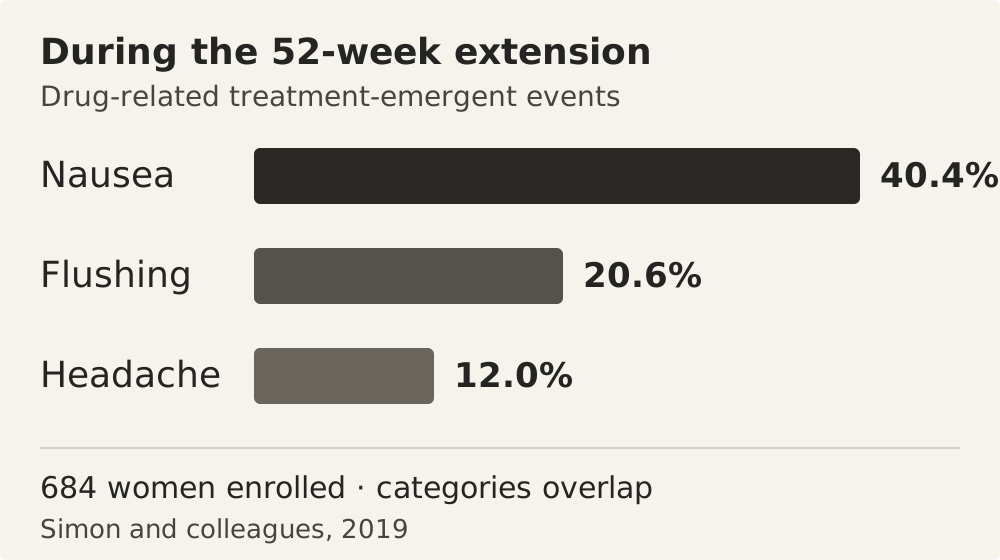
In the 52-week open-label extension, 684 women enrolled and the most common drug-related treatment-emergent adverse events were nausea (40.4%), flushing (20.6%) and headache (12.0%). Nausea was a leading reason for stopping treatment. The pooled clinical-development safety analysis also identifies these as the most frequent adverse events.
I struggle with an account of benefit that hurries past the stomach upset. A treatment aimed at improving sexual desire can also make someone feel too unwell to care about the gain. To my mind, nausea’s frequency and its role in discontinuation earn it equal billing with desire.
These frequencies come from the same longer-treatment study. Participants could experience more than one event, and the bars below therefore do not add up to a whole.
Cardiovascular effects
Bremelanotide can produce a transient rise in blood pressure with a small reduction in heart rate. The prescribing information contraindicates use in uncontrolled hypertension or known cardiovascular disease. The temporary nature of the change still leaves a clinically important question about a person’s cardiovascular health.
The ambulatory blood-pressure study characterizes this effect through measurements outside a single office reading. An early controlled safety study in healthy male and female participants also examined tolerability and cardiovascular effects. I give those measurements more weight than a personal report that someone felt fine afterward; the relevant change need not announce itself as a symptom.
Skin, gums and pigmentation
The label describes focal hyperpigmentation, or darkening, affecting skin, gums and parts of the breasts. Frequent repeated exposure increases concern, and changes may not fully reverse after stopping. People with darker baseline skin can face greater risk.
This is where the tanning-research origin becomes more than an interesting opening story. A historical review traces PT-141 to melanotan-II development; the pigmentation warning gives that family connection a present-day consequence. I’d put a persistent visible change in the main conversation, alongside the symptoms that pass.
Liver concerns and missing pregnancy evidence
The LiverTox monograph records mild liver-enzyme elevations and rare instances of clinically apparent acute liver injury. Liver enzymes are substances measured in blood that can signal injury when their levels rise. The monograph describes an uncommon safety concern.
Controlled human pregnancy data do not establish safety, and safety during breastfeeding remains unsupported. That is a gap in knowledge about an unborn baby or nursing infant. Missing pregnancy and breastfeeding data are a reason for my caution.
Unregulated material
The forensic analysis of black-market melanocortin samples identified bremelanotide and melanotan-II in material circulating outside pharmaceutical controls. Identity, purity and concentration of research-chemical material cannot be assumed from the name alone.
A separate case report describes systemic toxicity and muscle breakdown after melanotan-II injection. That case involved the related compound melanotan-II. It supplies a warning about unregulated use while leaving bremelanotide-specific risk to its own evidence. I want that distinction preserved even in a cautionary account; family resemblance is too loose a basis for assigning the same injury to both compounds.
Community reports about discomfort
Community posts describe nausea, warmth, headache, skin changes and, sometimes, side effects with no desired improvement. They are anecdotal reports, not clinical evidence, and cannot give a reliable frequency for any event. Their dosing and product details are often uncertain.
The personal-account page gives those experiences their own space. The approved indication remains acquired, generalized HSDD in premenopausal women; men, postmenopausal women and performance enhancement lie outside that approval. The question of treatment suitability needs an actual clinical assessment.